Future of Gaming Community and Culture 2026
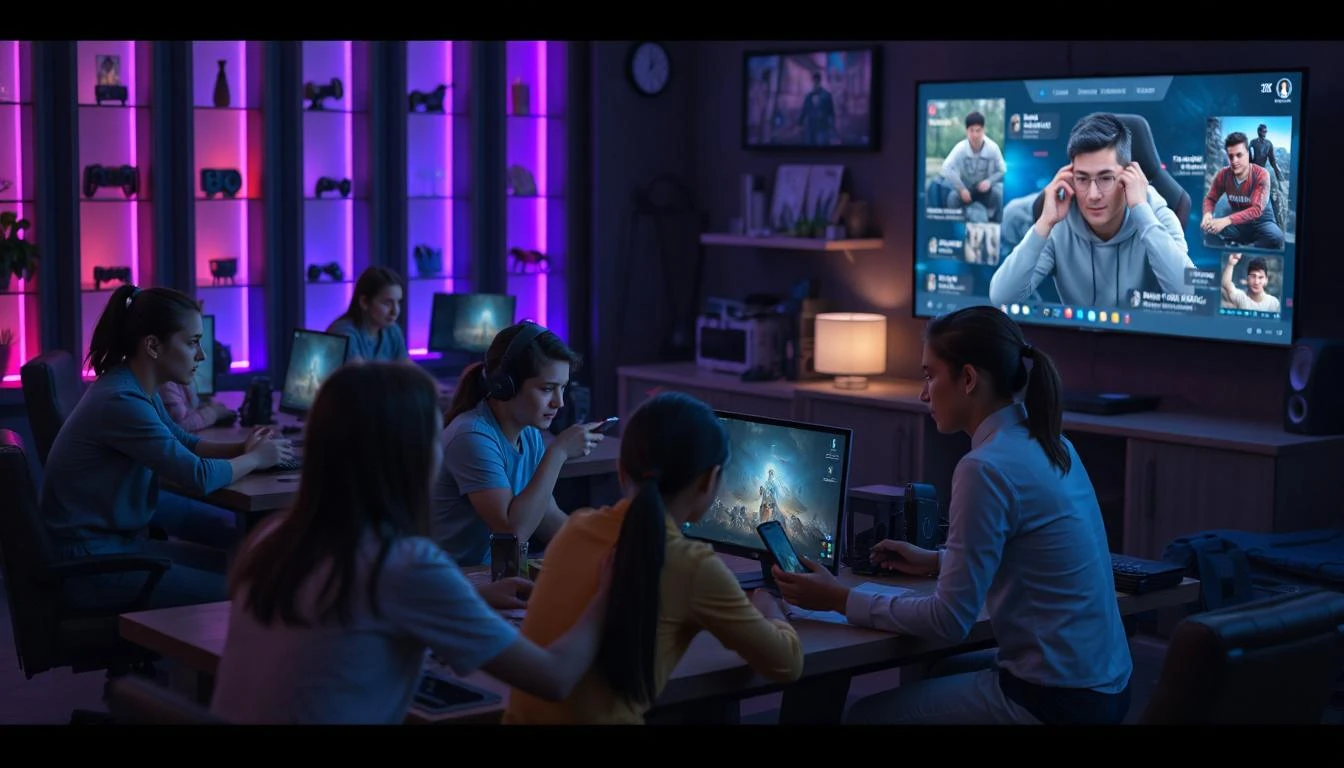
The gaming world is shifting faster than ever, turning simple entertainment into a layered digital civilization where people connect, compete, and create value in real time. What once felt like a pastime has now become a global ecosystem shaped by evolving player behavior, technology, and culture.
Across every platform, from mobile arenas to immersive virtual worlds, new patterns are emerging that redefine how players interact. This transformation is strongly driven by gaming culture evolution trends, which are reshaping identity, communication, and digital economies in ways that feel both familiar and entirely new.
Evolution of Gaming Communities in 2026
Gaming communities are no longer static groups tied to a single platform. They now function as dynamic, cross-border ecosystems where players continuously interact across multiple digital spaces. This shift reflects how deeply gaming has embedded itself into daily social life.
The acceleration of this transformation is closely tied to gaming culture evolution trends, which influence how communities form, grow, and sustain engagement in 2026.
gaming community trends esports culture is now shaping how players view competition and collaboration, blending entertainment with social belonging.
Cross platform social gaming ecosystems
Cross-platform ecosystems are breaking down the walls between devices and communities. Players can now shift from console to mobile to PC without losing identity, progress, or social connections. This creates a unified digital presence that strengthens long-term engagement and loyalty.
Search intent trends like “how cross platform gaming is changing social interaction in esports” highlight how users are actively seeking seamless gaming experiences that feel uninterrupted and universal.
AI moderated community spaces
AI moderation systems are becoming the invisible backbone of online gaming communities. They filter toxic behavior, support fair play, and personalize user experiences. Instead of reactive moderation, platforms now rely on predictive AI systems that anticipate conflict before it escalates.
Virtual reality social hubs
Virtual reality spaces are evolving into fully interactive social hubs where players gather beyond traditional gameplay. These environments are not just for gaming, they are for meeting, attending events, and building digital relationships.
As digital strategist Marcus Eldridge once said, “Gaming is no longer about playing a title; it’s about inhabiting a world that reacts to you.”
Cultural Shifts in Modern Gaming
The cultural identity of gaming has expanded far beyond entertainment. It now influences fashion, communication styles, and even professional identity. The rise of digital-native generations has pushed gaming into the center of global culture.
This shift is strongly aligned with gaming community trends esports culture, where competitive gaming and cultural expression merge into a single ecosystem.
Rise of digital identity and avatars
Digital identity has become a core part of self-expression. Players now invest heavily in avatars that represent not only appearance but personality, status, and creativity. These digital identities often extend across multiple games and platforms, forming a unified presence.
Esports as mainstream entertainment
Esports is no longer niche, it is a global spectacle. Stadium events, sponsorship deals, and massive online audiences have pushed competitive gaming into mainstream entertainment. It now rivals traditional sports in both production value and cultural influence.
Creator economy in gaming culture
The creator economy has merged deeply with gaming ecosystems. Streamers, modders, and content creators now earn directly from their audiences through in-game systems, subscriptions, and branded collaborations. This creates a sustainable loop where creativity fuels income and engagement.
According to gaming researcher Elena Voss, “Gaming culture is becoming the most influential creative economy of the digital age because it merges play, identity, and commerce into one system.”
Technology Shaping Player Interaction
Technology is the silent engine behind the transformation of gaming culture. It is reshaping how players communicate, compete, and experience virtual worlds across global networks.
This evolution continues to reinforce gaming culture evolution trends, especially in how digital interaction becomes more immersive and borderless.
Real time translation and global play
Real-time translation tools are eliminating language barriers in multiplayer environments. Players from different regions can now communicate instantly, creating truly global gaming communities that were once impossible.
Cloud based multiplayer integration
Cloud gaming has removed hardware limitations, allowing players to access high-performance multiplayer experiences on nearly any device. This accessibility is reshaping how and where people engage with games.
Immersive streaming experiences
Streaming is no longer passive. Viewers can now interact, influence gameplay, and even join sessions in real time. This creates a hybrid entertainment model where audiences become active participants.
Join the Future of Gaming Culture Today
The gaming ecosystem is evolving into a fully integrated digital economy where interaction, creativity, and commerce merge seamlessly. Virtual marketplaces now support real-time trading of digital assets, identities, and experiences.
This expansion reflects growing global interest in gaming community trends esports culture, especially as players seek deeper involvement in interactive digital economies.